
Built and optimized local Google Ads campaigns for a preschool & daycare network. Launched Performance Max, added remarketing lists, refined keywords, and refreshed creatives to improve CTR. Integrated CRM tracking for lead quality insights. Achieved stable CPL with higher enrollment inquiries, improved audience targeting, and stronger ROI from automated bidding and creative testing.

A preschool and daycare network wanted to increase inquiries and enrollments through digital channels. They relied heavily on local search campaigns but lacked creative testing, targeting precision, and proper bid management.
- Generic keyword targeting leading to irrelevant clicks.
- No remarketing structure or customer segmentation.
- Outdated creatives with poor CTR.
- Budget mismanagement and inconsistent lead flow.

I restructured the campaigns to make them lean, localized, and conversion-focused:
Robust Conversion Tracking Setup: The accuracy of conversion tracking was verified through Google Tag Manager, and campaign-level conversion goals were aligned with desired outcomes. The initial bidding strategy was set to maximize conversions.
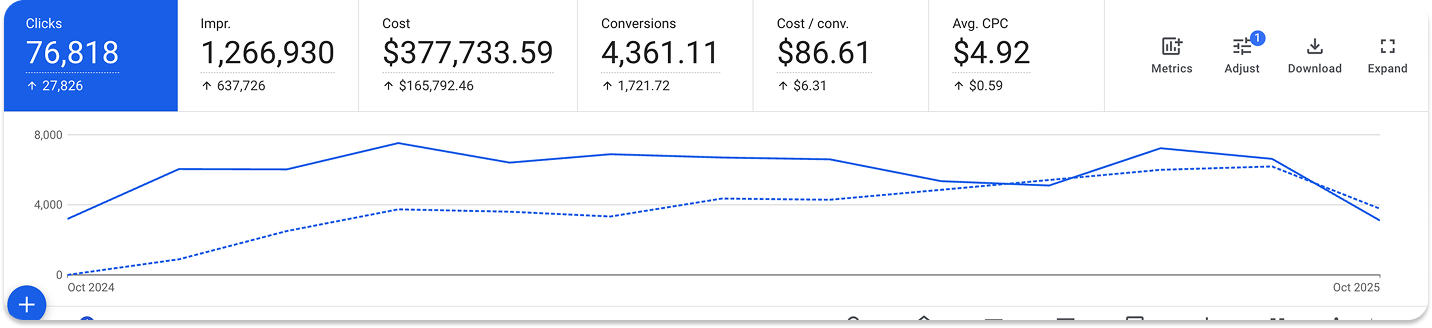
After 6 months of iterative optimization:
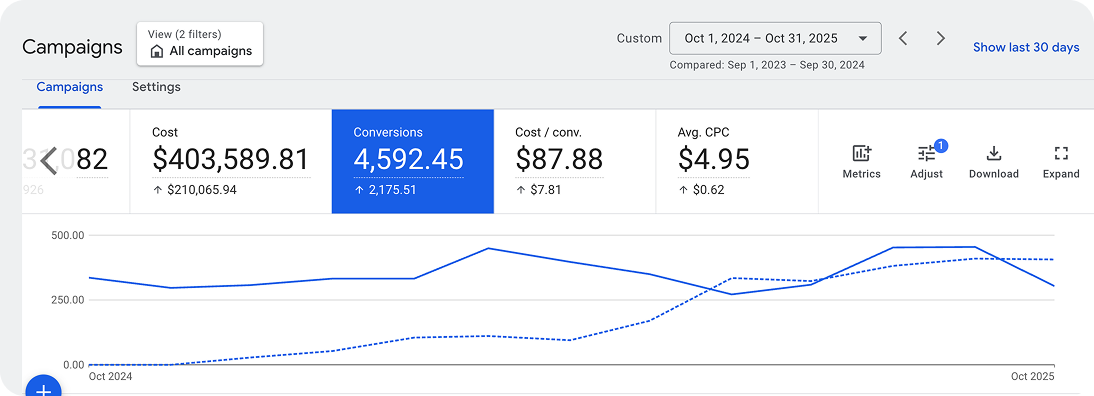
- Emotional and trust-driven creatives perform exceptionally well in daycare niches.
- Combining remarketing with location-based bidding can enhance both lead volume and intent quality.
Optimized a property inspection campaign with keyword farming, audience exclusions, and bid adjustments, leading to better conversions and lower CPL.
A comprehensive optimization strategy was implemented, focusing on refining targeting through negative keywords and audience exclusions, optimizing bidding, enhancing ad creatives, and ensuring robust conversion tracking. This multi-pronged approach aimed to improve conversion rates, reduce CPL, and ultimately drive a consistent flow of qualified leads.

In March, the property inspection services account faced a severe lead generation crisis, marked by several issues. The most alarming problem was the complete lack of conversions, with zero leads generated throughout the entire month.
This was coupled with a declining conversion rate (CVR), as the percentage of ad interactions leading to conversions continued to drop steadily. Additionally, the cost per lead (CPL) became excessively high due to inefficient ad spending. The account also struggled with a low search impression share of just 53.78%, meaning a significant portion of the potential audience was not being reached. This was further compounded by a high lost impression share due to rank issues, with ads not appearing in prominent positions 29.44% of the time. The campaigns were also suffering from irrelevant targeting, as they were aimed at out-of-scope search terms and ineffective audience segments, further hampering lead generation efforts.
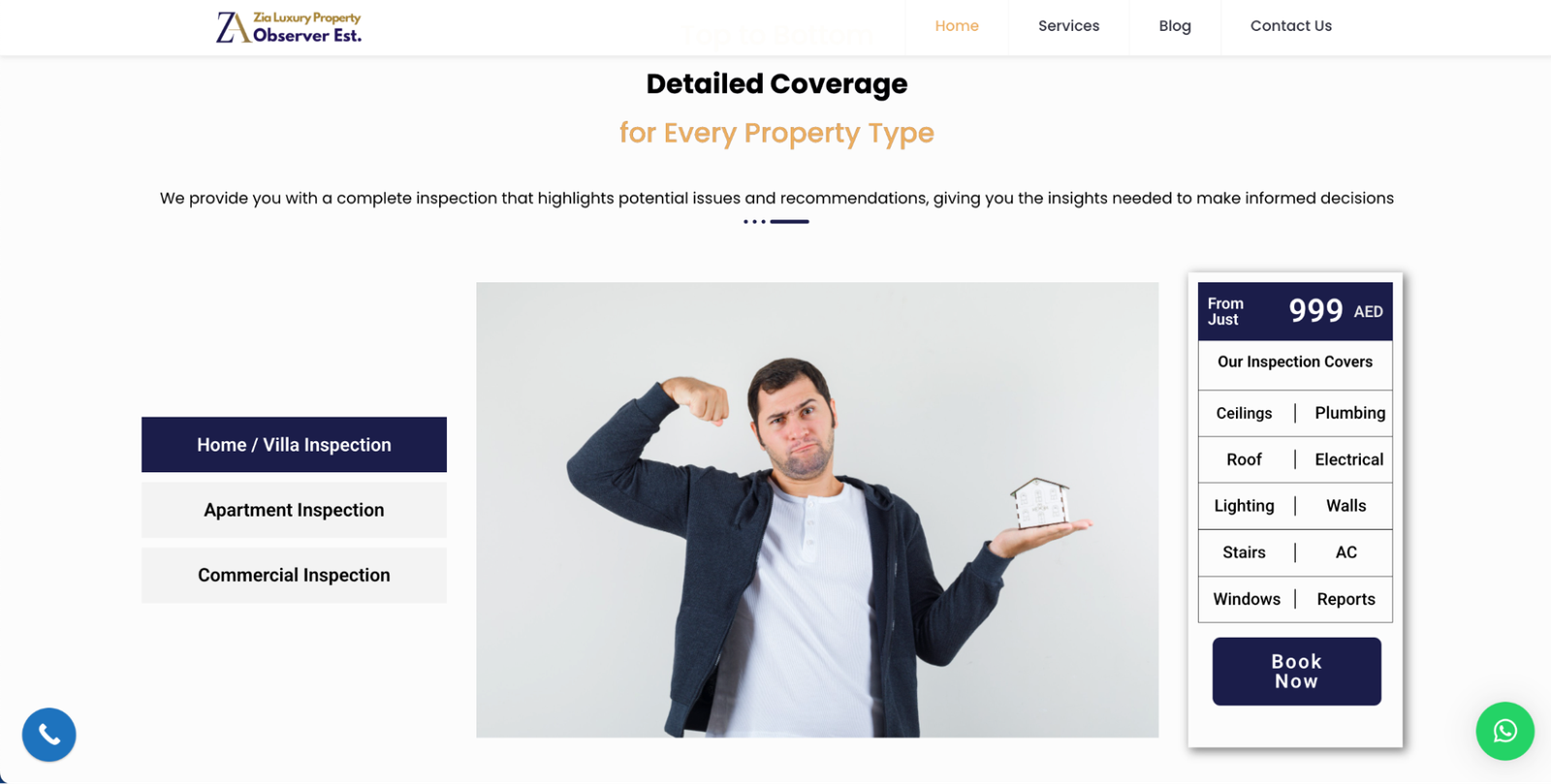
A strategic and data-driven optimization plan was executed, encompassing the following key actions:
Robust Conversion Tracking Setup: The accuracy of conversion tracking was verified through Google Tag Manager, and campaign-level conversion goals were aligned with desired outcomes. The initial bidding strategy was set to maximize conversions.
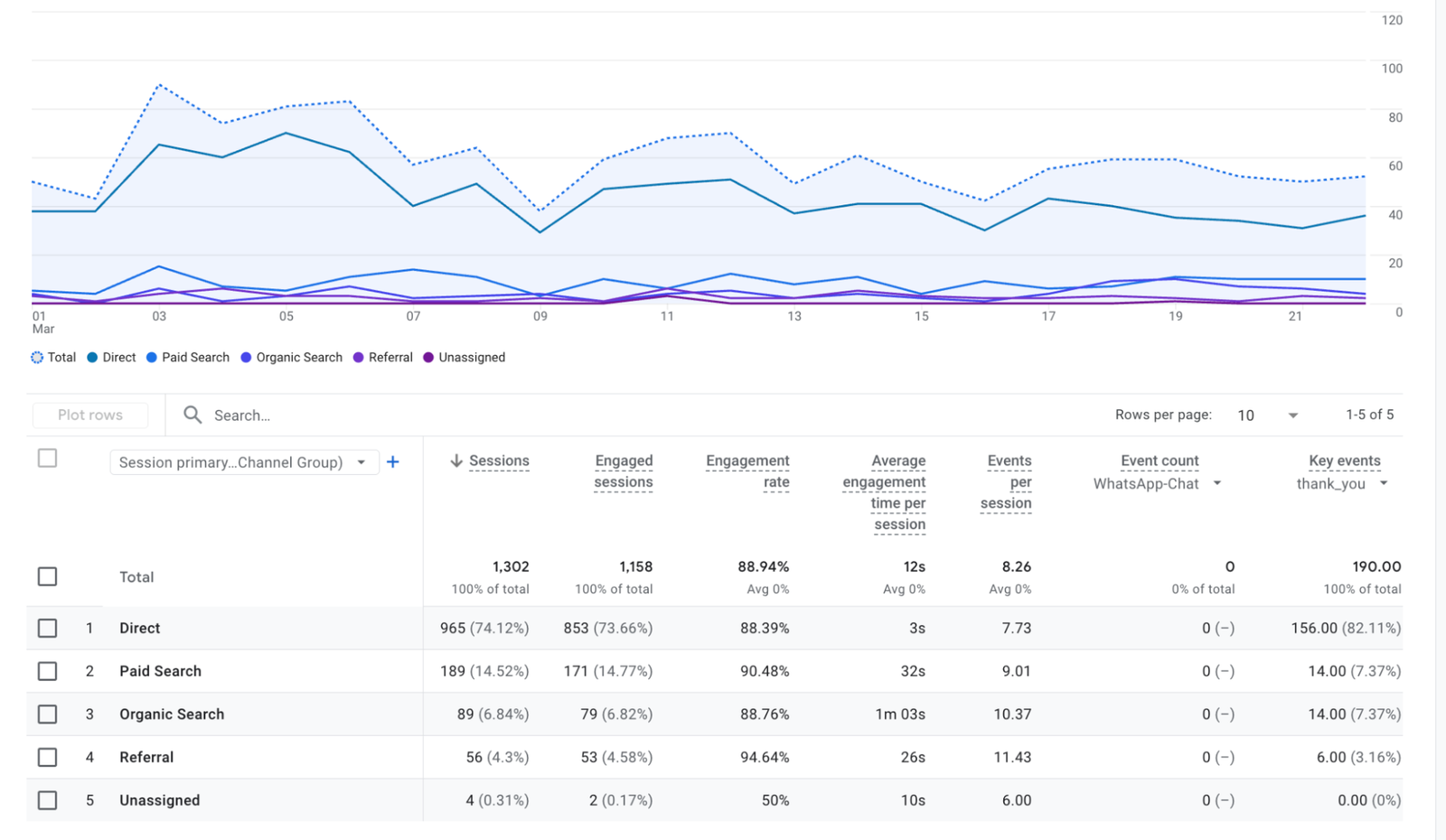
The initial results indicate a positive shift in campaign performance. While impressions and clicks decreased, the significant increase in Conversion Rate and the substantial decrease in Cost per Conversion demonstrate improved efficiency. The increase in Search Impression Share suggests that the ads are now reaching a larger portion of the available audience. The higher CTR indicates that the optimized ad copies are more relevant to the searches they are appearing for.
Following the implementation of the optimization strategies, the account demonstrated positive initial results:
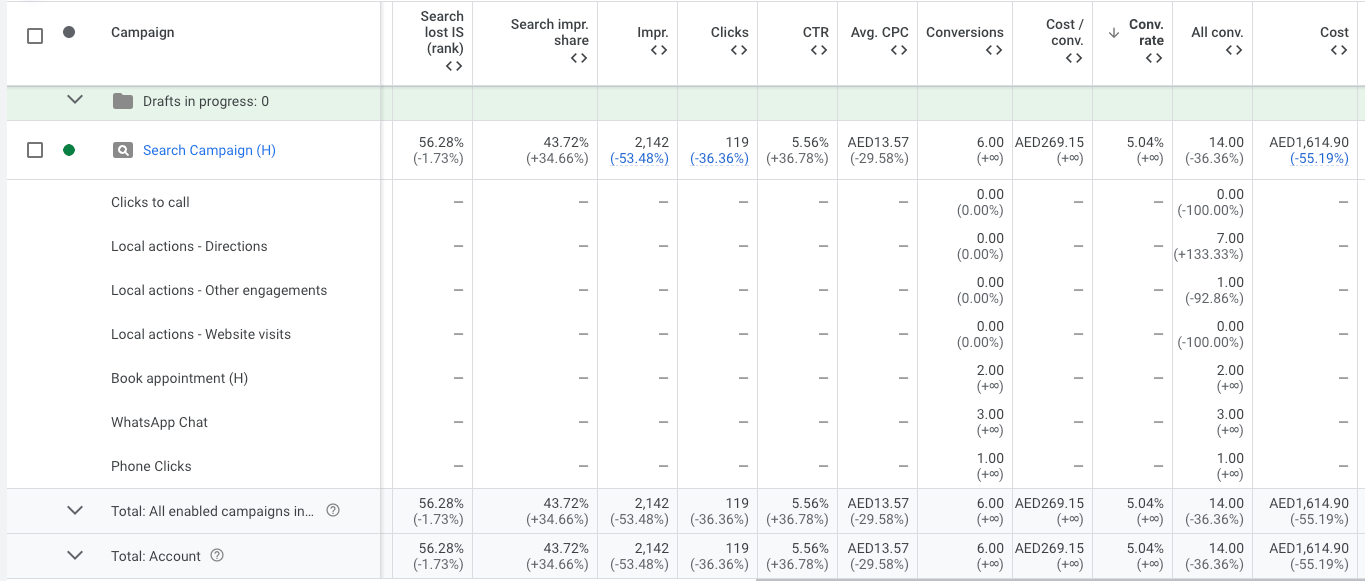
The initial results following the strategic optimizations are encouraging, indicating a positive trajectory towards improved efficiency and lead generation. The focus on relevant targeting and effective bidding has led to a higher conversion rate and a lower cost per conversion. Continued monitoring and further optimization in the next phase will be crucial for sustained success and achieving the ultimate goal of consistent and cost-effective lead acquisition.
AANUM's, a leading retailer in the fashion and apparel industry, was facing significant challenges with their online presence.
The website's poor user experience (UX) and user interface (UI), slow loading times, and lack of visual appeal were major roadblocks to conversions. Our goal was to revamp AANUM's website to enhance its performance, improve the user experience, and ultimately increase conversion rates.

AANUM's website was struggling with outdated design, slow load times, and a lack of engaging visual content, leading to poor user experience and high bounce rates.
Poor UX and UI: AANUM's website had an outdated design, making it difficult for users to navigate and find products. The UI was cluttered, and the site lacked intuitive navigation.
Low Speed: Slow page load times were resulting in high bounce rates and negatively impacting user engagement and SEO rankings.
No Graphics or Photoshoot: The website had limited visual content, with no professional photography or graphics, making it less appealing to customers.

To address these challenges, we implemented a comprehensive strategy that involved a complete overhaul of the website.
New Photoshoot
Added New Products
Improved UX/UI
Revamped Whole New Website
Development Meetings
Category Optimizations
Product Variations Introduced
Enhanced Visuals and Branding
Refreshed the brand’s visual identity by incorporating consistent design elements, color schemes, and typography throughout the website.
Added engaging visual elements like banners, sliders, and video content to highlight promotions, new arrivals, and brand stories.
Performance Optimisation
Content and SEO Strategy

After implementing the changes, we closely monitored the website's performance using various analytics tools. The results were impressive:

The complete overhaul of AANUM's website significantly transformed their online presence. By improving UX/UI, speed, and visual appeal, we enhanced the user experience, resulting in higher engagement and conversion rates. New products, better navigation, and performance optimization have made AANUM's more competitive in the online fashion market, showcasing the power of strategic website development in driving business growth.
AQF Sports is an international fitness gear manufacturer, specializing in high-quality equipment for athletes and fitness enthusiasts.
Competing with major brands like RDX Sports and Bear Grip UK, AQF aims to expand its market share through a content-driven SEO strategy.

Despite AQF Sports’ quality products, the brand struggled with:
Low organic traffic: Their online visibility was not translating into significant traffic.
Keyword competition: AQF’s competitors dominated search rankings for crucial product-related keywords, limiting AQF's exposure.
Lack of content authority: Existing content lacked depth and was not effectively organized around key product categories, reducing the website's potential to rank for high-intent searches.
Conversion challenges: Even with consistent traffic, converting visitors into buyers was a persistent issue.

To solve these challenges, AQF Sports implemented a multi-faceted strategy focusing on semantic SEO and content marketing.
SMART Goal Setting:
Semantic SEO Focus:
Comprehensive Content Distribution:
Enhanced User Experience:

Through strategic planning and a focus on high-quality content, AQF Sports achieved the following:
Website Performance:
Geographic Traffic Distribution:
Engagement Metrics:
Organic Search Growth:

By leveraging a content cluster model, semantic SEO, and targeting long-tail keywords, AQF Sports significantly increased its online visibility. The strategic focus on well-structured, SEO-optimized content led to higher search engine rankings, improved traffic, and boosted revenue. The problem of low organic traffic, keyword competition, and weak conversions was effectively addressed through the solution of enhanced content strategy and semantic SEO. As a result, AQF Sports is on a clear trajectory for long-term growth and content authority in the fitness gear industry.
This case study examines the digital marketing strategies implemented by T-Shirt Plus, an Australian garment printing company, to achieve significant improvements in their SEO and content marketing efforts.
By addressing technical SEO issues, creating high-quality content, and acquiring valuable backlinks, T-Shirt Plus successfully increased organic traffic, improved search engine rankings, and boosted sales.

GPG faced challenges in attracting organic traffic and converting website visitors into paying customers.
The initial strategy focused heavily on paid search advertising, which while effective, was limiting organic reach and long-term sustainability.

To address these challenges, the digital marketing agency implemented a comprehensive strategy:

The new digital marketing strategy yielded exceptional results:
Results
The new SEO and content marketing strategy yielded remarkable results for T-Shirt Plus:
Key Takeaways
The T-Shirt Plus case study highlights the importance of a well-defined SEO and content marketing strategy for e-commerce businesses.

T-Shirt Plus's success story exemplifies the power of a data-driven SEO and content marketing strategy. By addressing technical SEO issues, creating valuable content, and acquiring high-quality backlinks, T-Shirt Plus achieved significant growth in organic traffic, improved search engine ranking, and ultimately, increased sales.
This case study examines the digital marketing strategies implemented by Garment Printing Group (GPG) to drive significant growth and achieve a remarkable 1500% ROI within six months.
By leveraging a comprehensive approach that included SEO, content marketing, link building, and social media marketing, GPG successfully increased organic traffic, improved website rankings, and generated over $1 million in sales.

GPG faced challenges in attracting organic traffic and converting website visitors into paying customers.
The initial strategy focused heavily on paid search advertising, which while effective, was limiting organic reach and long-term sustainability.

To address these challenges, GPG implemented a multifaceted digital marketing strategy:

The new digital marketing strategy yielded exceptional results:
Key Performance Indicators (KPIs):
Key Takeaways

Garment Printing Group's success story demonstrates the power of a well-executed digital marketing strategy. By shifting focus from solely relying on paid advertising to a more comprehensive approach, GPG achieved remarkable results, surpassing expectations and setting a benchmark for industry excellence.
This case study explores the digital marketing strategies implemented for WriteMe.ai, an AI writing assistant tool. The campaign aimed to increase brand awareness, acquire new users, and drive paid sign-ups.
We employed a multi-pronged approach, including content marketing, email marketing, social media marketing, affiliate marketing, lifetime deal submissions, and SEO optimization.

WriteMe.ai needed to expand its user base and generate more paid subscriptions. The initial challenge resided in a limited email marketing list and low organic traffic.
By implementing effective content marketing, email marketing, social media strategies, affiliate partnerships, and SEO optimization, we significantly increased brand awareness, acquired new users, and drove paid subscriptions. Key results include a 20% increase in email subscribers, a 30% boost in organic traffic, and a 25% conversion rate from lifetime deal submissions. Future efforts will focus on optimizing content, expanding affiliate partnerships, and exploring paid advertising opportunities to further enhance WriteMe.ai's growth and impact.
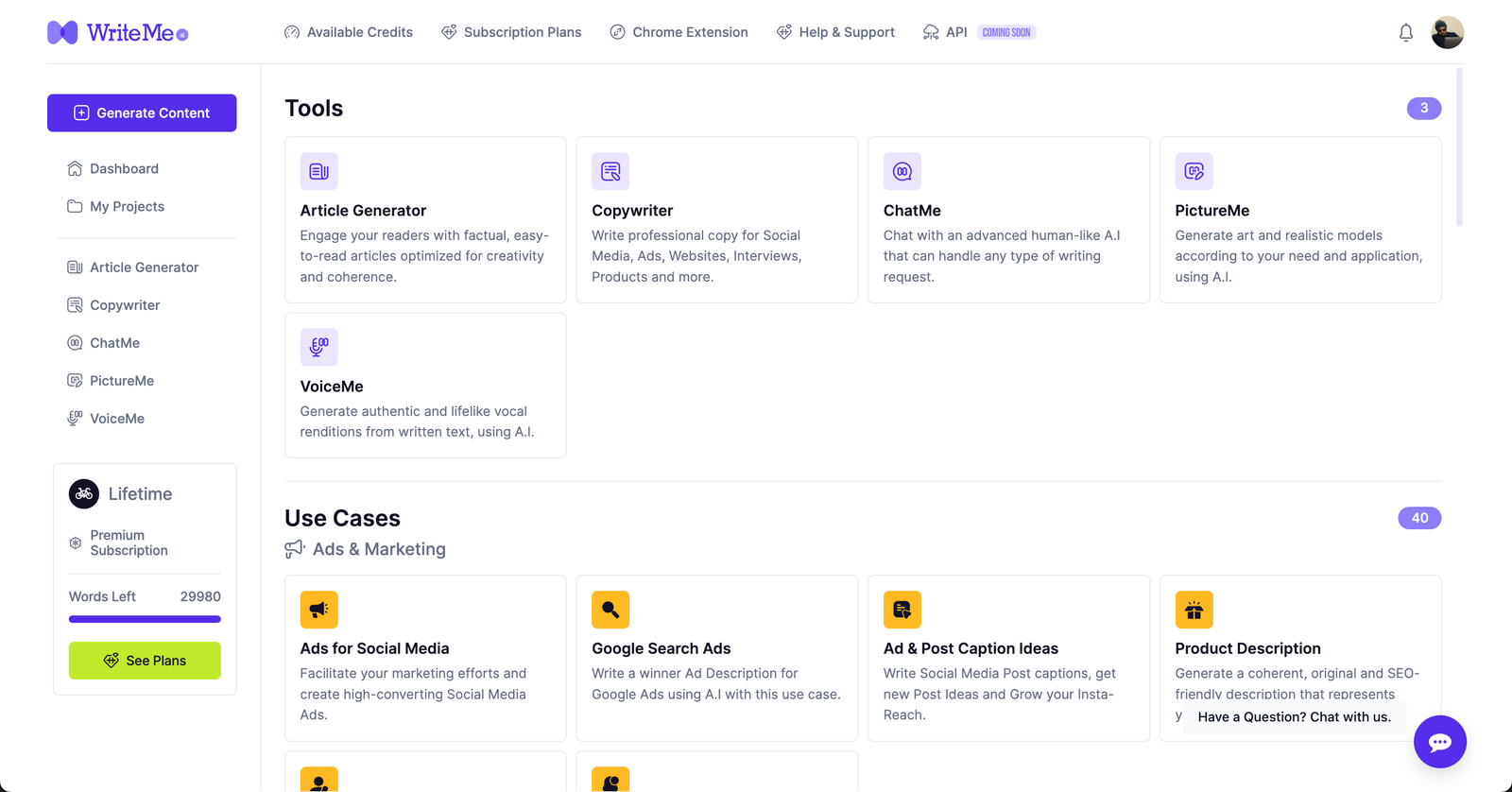
We implemented a comprehensive digital marketing strategy encompassing various channels:

The digital marketing campaign for WriteMe.ai has yielded promising preliminary results. We have observed a significant increase in email subscribers, website traffic, and social media engagement. Additionally, lifetime deal submissions have generated new users, and content marketing efforts have begun to establish WriteMe.ai as a thought leader in the AI writing space.
Key Performance Indicators (KPIs):
Key Learnings and Next Steps

The WriteMe.ai digital marketing campaign has successfully achieved its initial goals of increasing brand awareness, acquiring new users, and driving paid sign-ups. By leveraging a diverse range of marketing channels and focusing on creating high-quality content, we have positioned WriteMe.ai as a leading AI writing assistant tool.